

Safety & Innovation
Safety Built Into Every Aircraft We Sell
When it comes to safety, results are what matter — and every aircraft we sell carries a record backed by real-world data that few in general aviation can match. Every design decision starts from a single goal: aircraft that are a pleasure to fly, forgiving in the moment, and built to protect occupants if the worst happens. We pursue that goal through two complementary strategies — Active Safety, which helps pilots avoid an accident in the first place, and Passive Safety, which protects occupants when one can't be avoided.
Layer one
Active Safety: built to avoid the accident
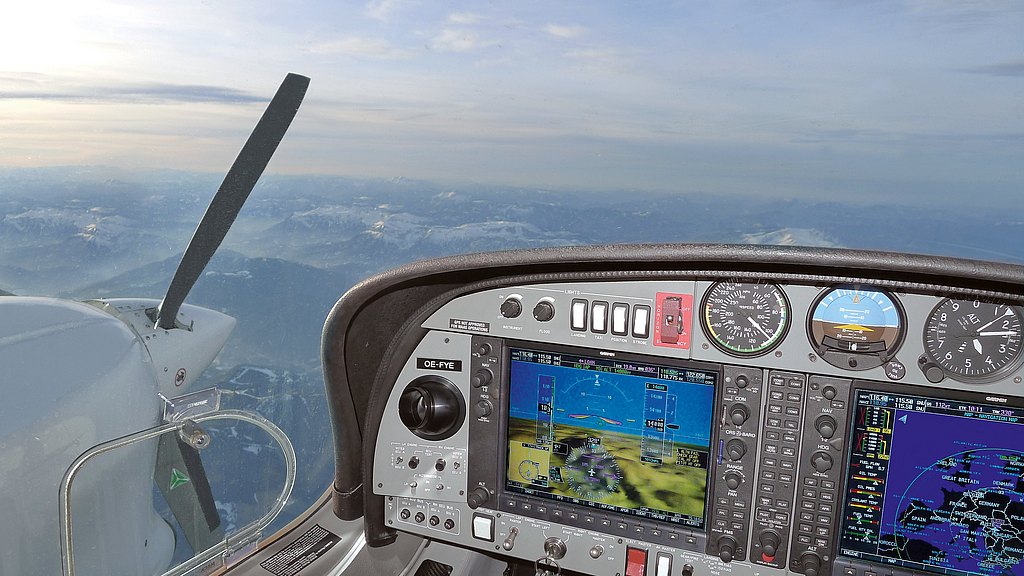
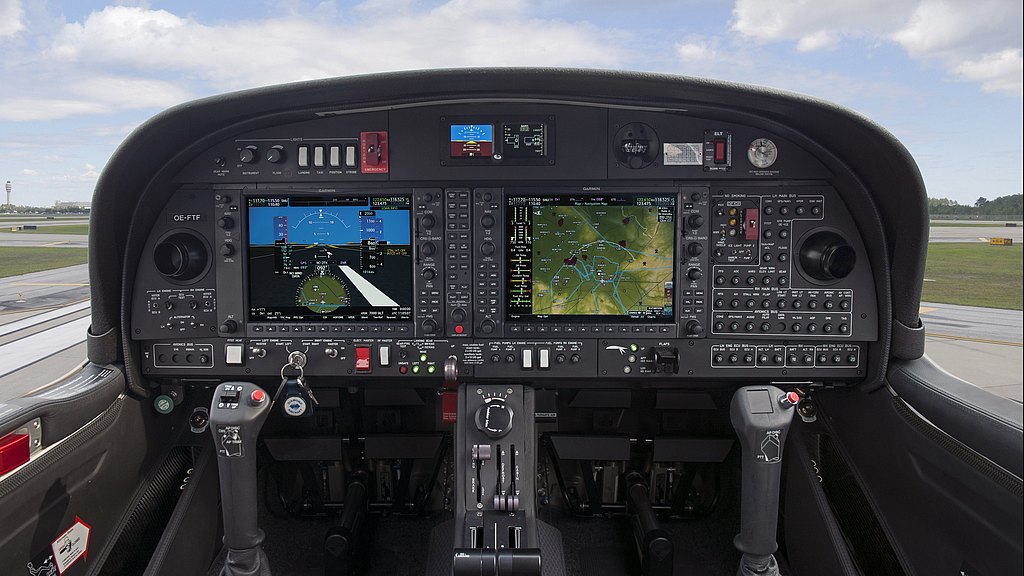
The best protection is never needing it. Active Safety covers everything about an aircraft that helps a pilot stay ahead of trouble — from how it handles to how much it asks of the person flying it. We also match each aircraft to its mission: docile single-engine piston models that suit new and experienced pilots alike, and high-performance twins with ice protection and simple single-lever power control that keep workload low even in demanding conditions.
- Exceptional all-around visibility from the cockpit
- Agile, forgiving handling with predictable stall behavior
- Strong positive stability at every phase of flight
- Short-field runway and climb performance
- High crosswind capability
- Redundant systems and structural backups
- Low pilot workload, even in demanding conditions
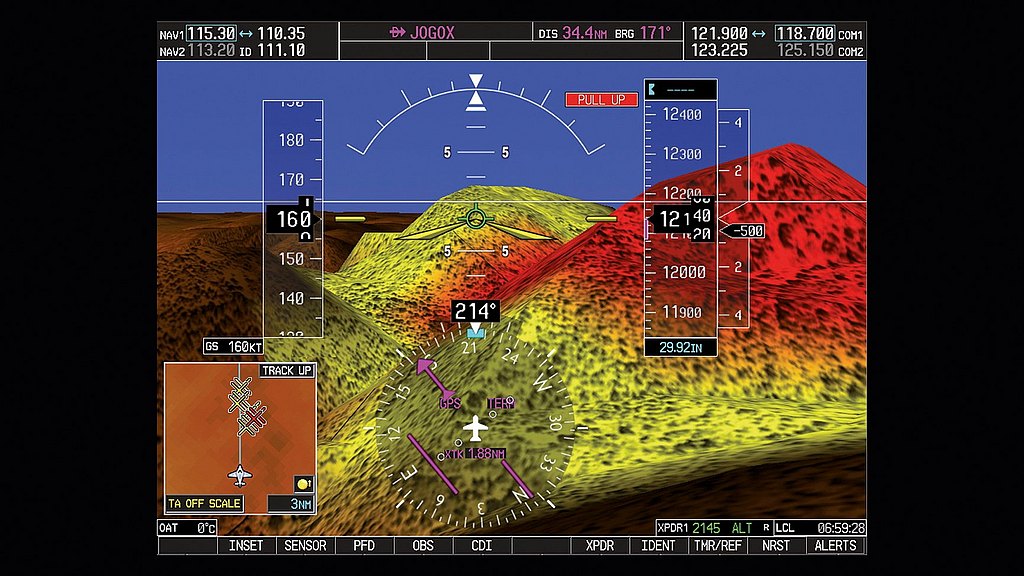
- Integrated glass cockpit with digital autopilot
Layer two
Passive Safety: protection when it counts
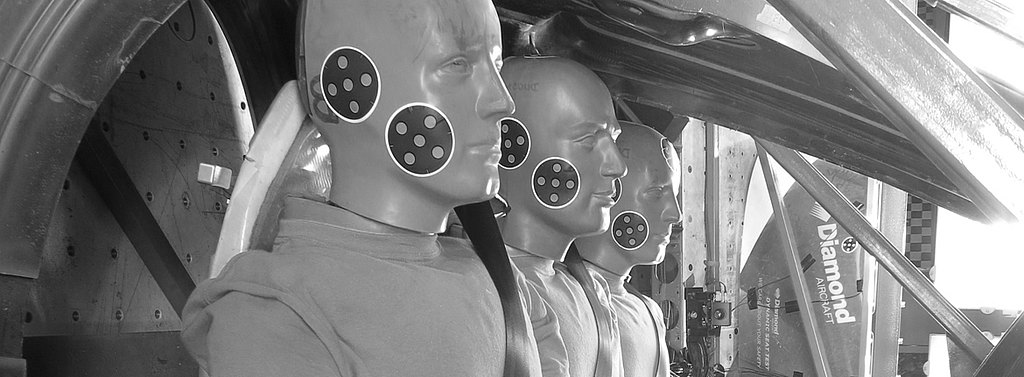
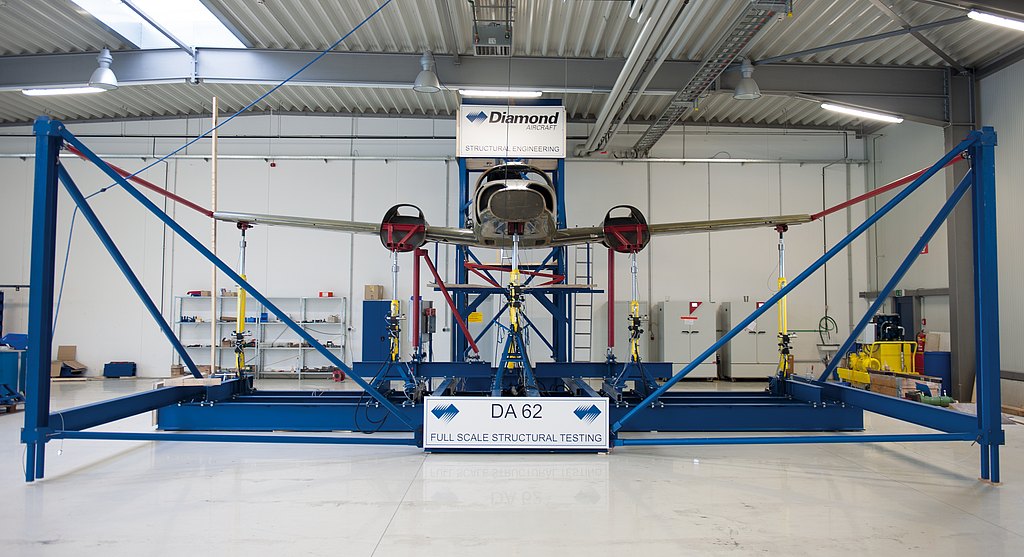
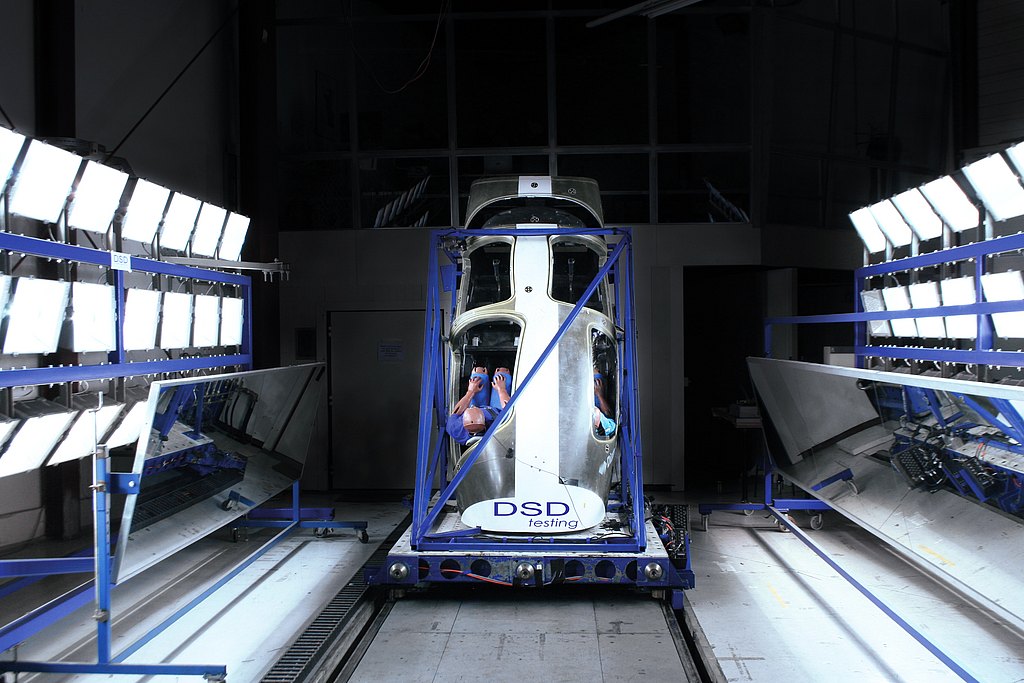
Not every accident can be avoided, so every aircraft we sell is engineered with a second line of defense that lowers the odds and severity of injury. We don't just crash-test seats — the entire fuselage cabin is tested as one system, validating structure, restraints, and seating together rather than in isolation. That whole-airframe approach is behind every claim below.
- A cabin structure engineered to hold its shape under crash loads
- Restraint systems built to keep occupants secure on impact
- Materials and geometry that absorb energy before it reaches passengers
- Head-strike zones kept clear of rigid structure
- Dedicated protection against post-crash fuel fires
The composite safety cell
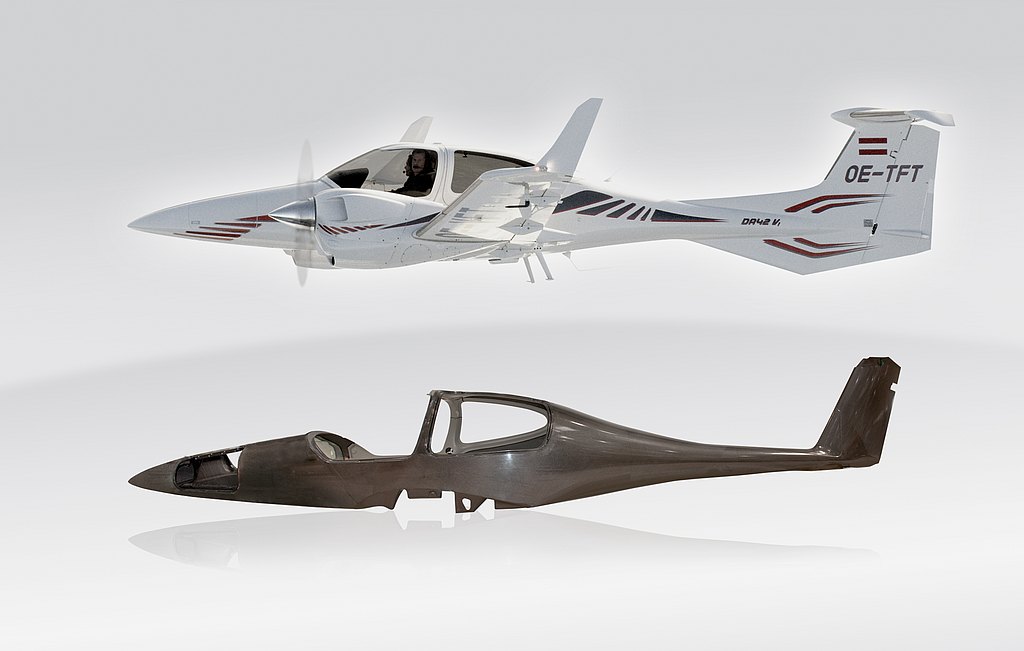
Every airframe we sell is built around a stiff, composite "roll cage" that surrounds the cabin — a survival cell designed to hold its shape under impact. It's the same principle that transformed Formula 1 racing: once crashworthy composite cockpits became standard, fatal injuries and fires went from commonplace to virtually unheard of.
We apply the same idea in the air. Non-critical structure outside the cabin is allowed to crush and fail, absorbing crash energy before it ever reaches the occupants, while the cabin itself is built to resist crushing and penetration.
Built to protect the people inside
Fixed seat shells with energy-absorbing crash elements, anti-submarining geometry, and three-point shoulder-and-lap restraints work together to keep occupants secure without sacrificing comfort. Smaller details matter too — breakaway glareshields and careful spacing between heads and rigid structure both help reduce injury if impact does occur.
Fire protection built into the fuel system
A survivable accident should stay survivable. We take deliberate steps to keep fuel contained and away from ignition sources long after most other aircraft fuel systems would fail.
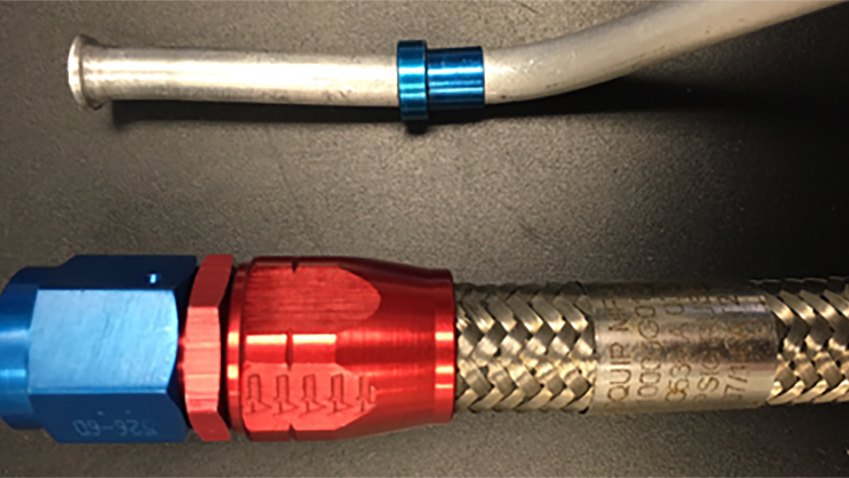
Fuel lines
Many aircraft still rely on light, rigid aluminum fuel lines that rupture easily once the surrounding structure deforms in a crash. We use tough, flexible stainless-steel braided lines instead — they flex with the airframe rather than snapping, at a real cost in weight and price that we consider worth paying for.
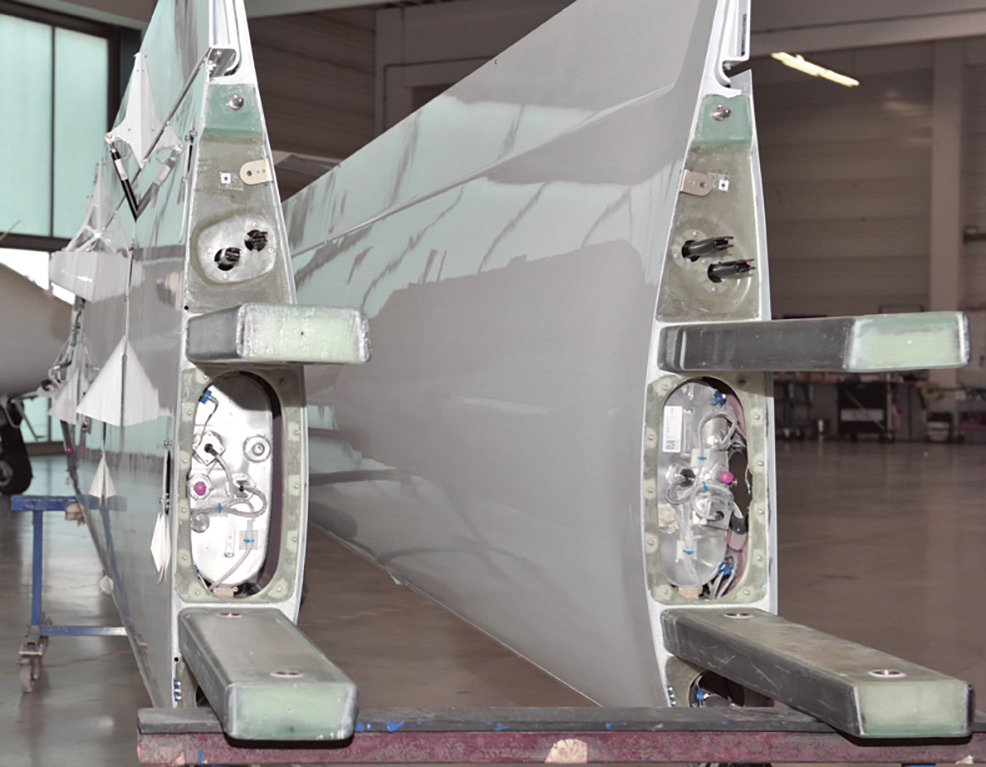
Fuel tanks
Many piston aircraft use the wing's leading edge itself as the fuel tank, where even minor damage can cause a breach. The DA40, DA42, and DA62 instead use a twin-spar wing that houses separate aluminum fuel tanks shielded between the spars. On the DA20, the fuel cell sits inside the fuselage safety cell, isolated from the cockpit — the same logic modern car makers apply to fuel tank placement.
An industry-leading safety record
Independent studies and FAA safety databases consistently place our aircraft among the lowest fatal-accident rates in general aviation — and even when accidents do occur, the composite safety cell and crush zones protect occupants exceptionally well. That combination has earned respect from instructors, training fleets, and private owners alike, and it's reflected in the attractive insurance rates our owners are offered.
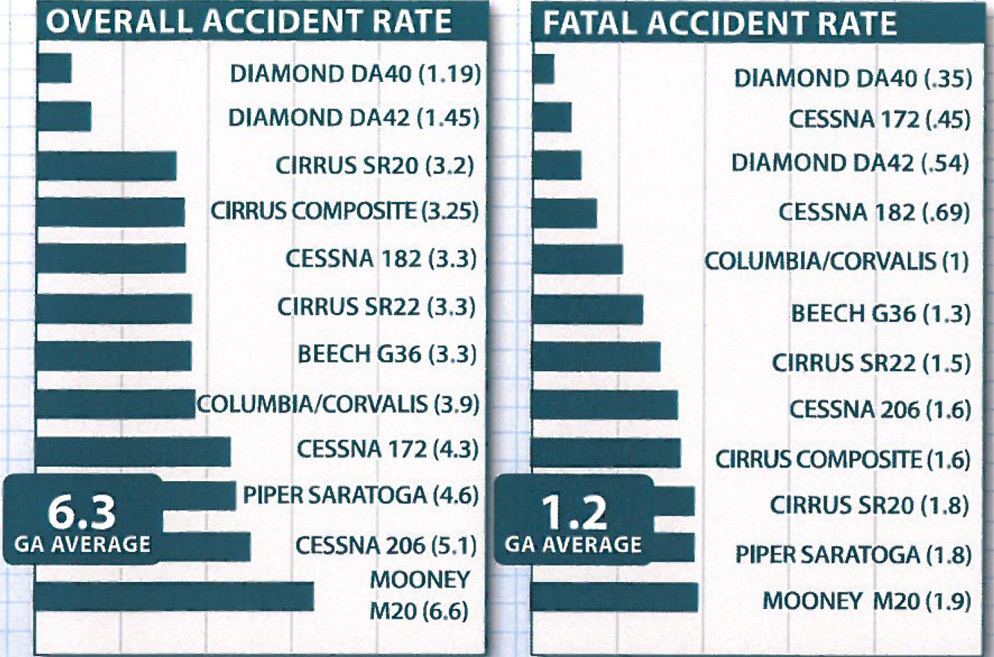
Shouldn't safety be at the very top of your list when choosing your next aircraft?
Powerplants engineered for reliability
Every diesel model we sell runs on Austro Jet-A engines that add another safety margin. FADEC control, automatic mixture management, and simplified start-up reduce pilot workload while keeping performance consistent across flight conditions — and running on widely available Jet-A fuel keeps that reliability consistent worldwide.
Consistent training across the fleet
Shared cockpit layouts and similar handling across models mean pilots moving from a DA40 to a DA62 encounter nearly identical avionics and ergonomics. That commonality shortens transition time and keeps proficiency higher — and it's paired with our ongoing refinement of software, de-icing, and lighting systems based on real fleet feedback.
Proven in flight testing
For demonstration of the single engine flight characteristics following an engine failure shortly after take-off, a series of tests were conducted with cutting the engine at various heights, starting from 50ft down to rotation. A successful land-back was demonstrated in all instances, with a subsequent demonstration of a safe continued flight after an engine failure at 50ft.
All engine failures had docile handling characteristics and required no exceptional piloting skill.
Premier Aircraft: dedicated to your safety
At Premier Aircraft, keeping pilots safe comes first in everything we do. As a certified Diamond Aircraft dealer and service provider, we ensure every delivery meets the latest factory specifications and FAA standards. Our technicians are factory-trained, and our customer support team is always available to answer safety or maintenance questions.
Fly with confidence
From the training field to international business travel, our approach to safety innovation protects what matters most—people. Ready to experience it firsthand? Reach out to Premier Aircraft and let us guide you through the safest lineup in the sky.